
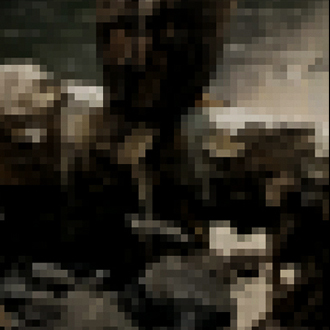
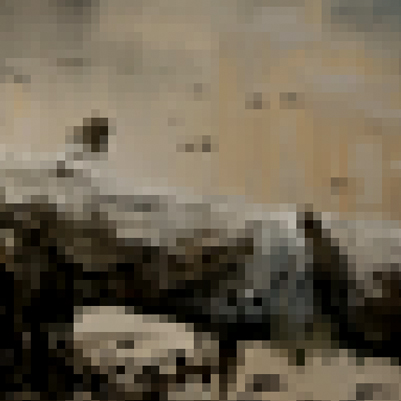
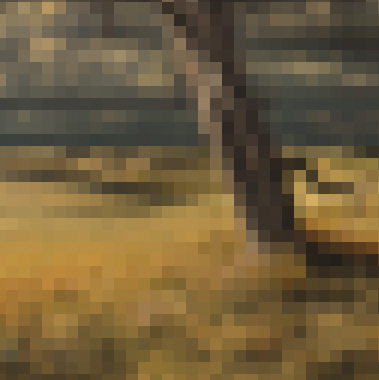
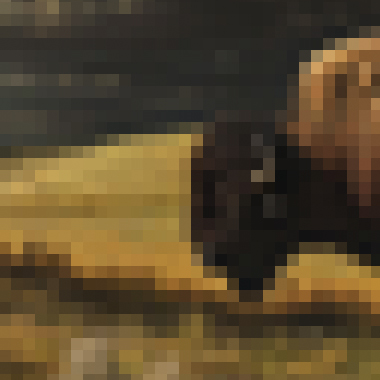
In a world increasingly flooded by the visible, Imperfaction turns its gaze toward what fades.
The series by D. Tappert does not present animals as dominant protagonists, but as fragile presences within a nature that itself becomes memory:
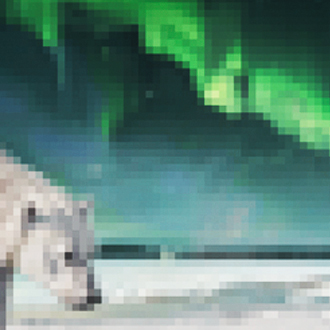
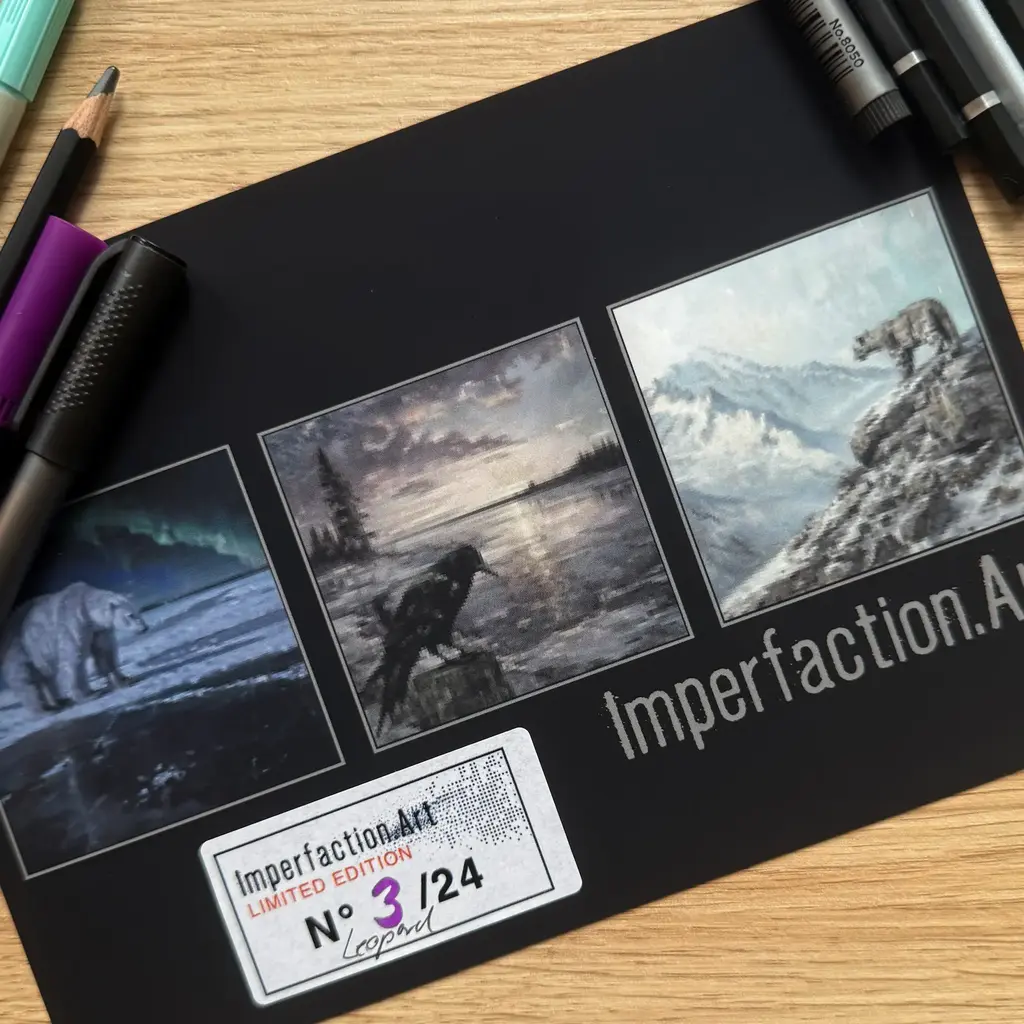
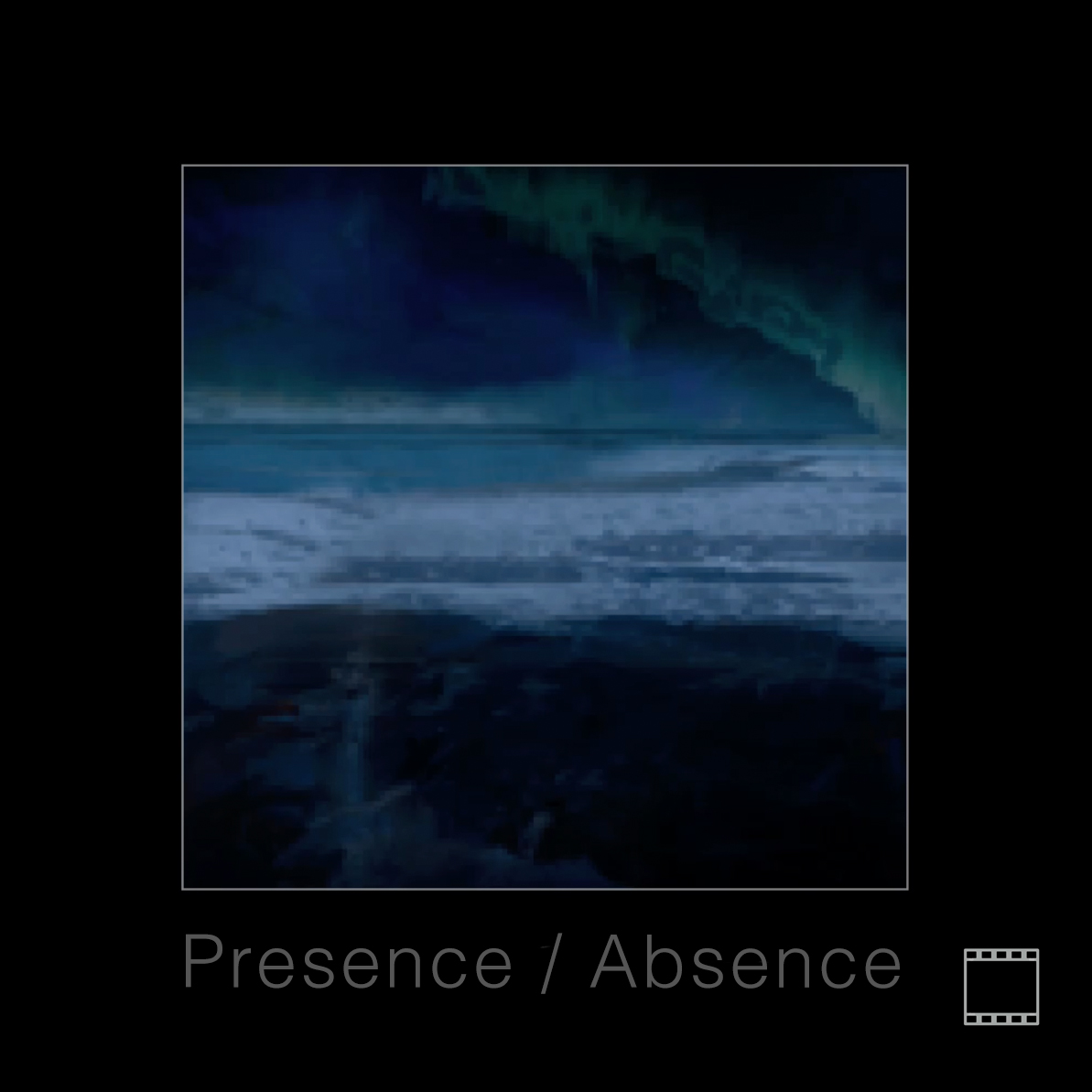
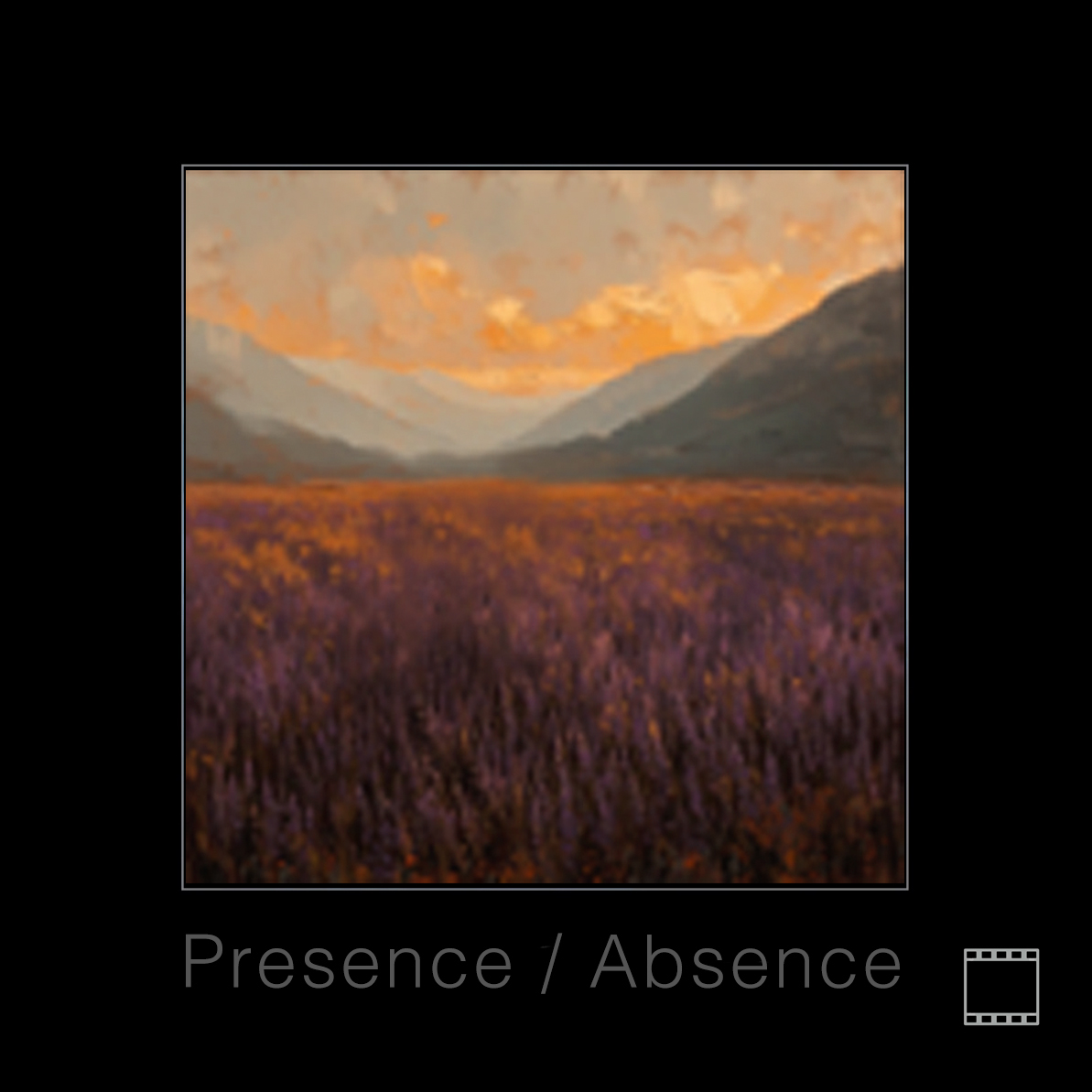
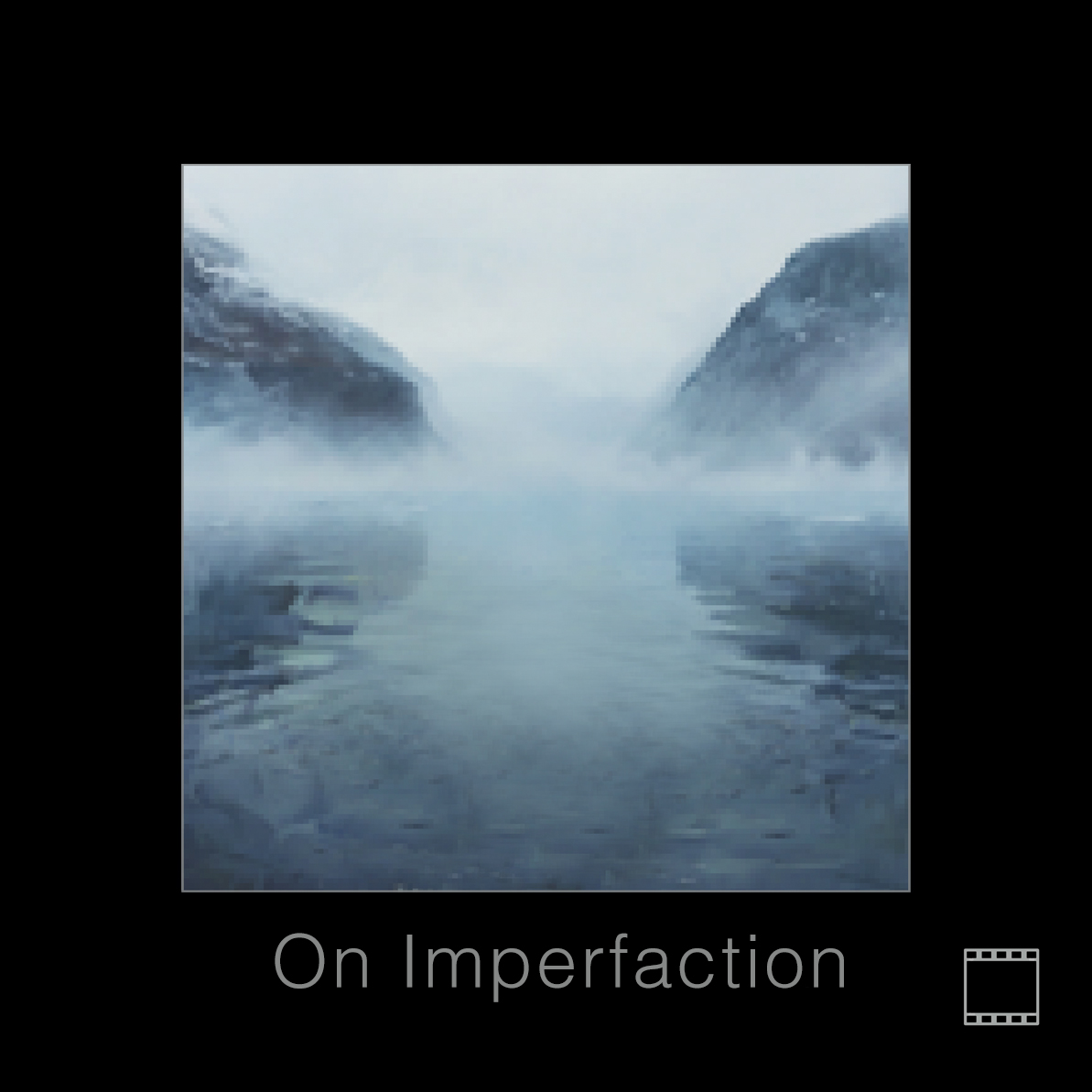
A polar bear in the thinning white of night, a fox in the shallow green of dusk, a snow leopard in the silent blue of altitude — twelve works, born of light and mist, poised on the threshold between being and not-being.
The visual language of the series — suspended between impressionistic dissolution and digital fragility — reinforces its central theme: impermanence as form.
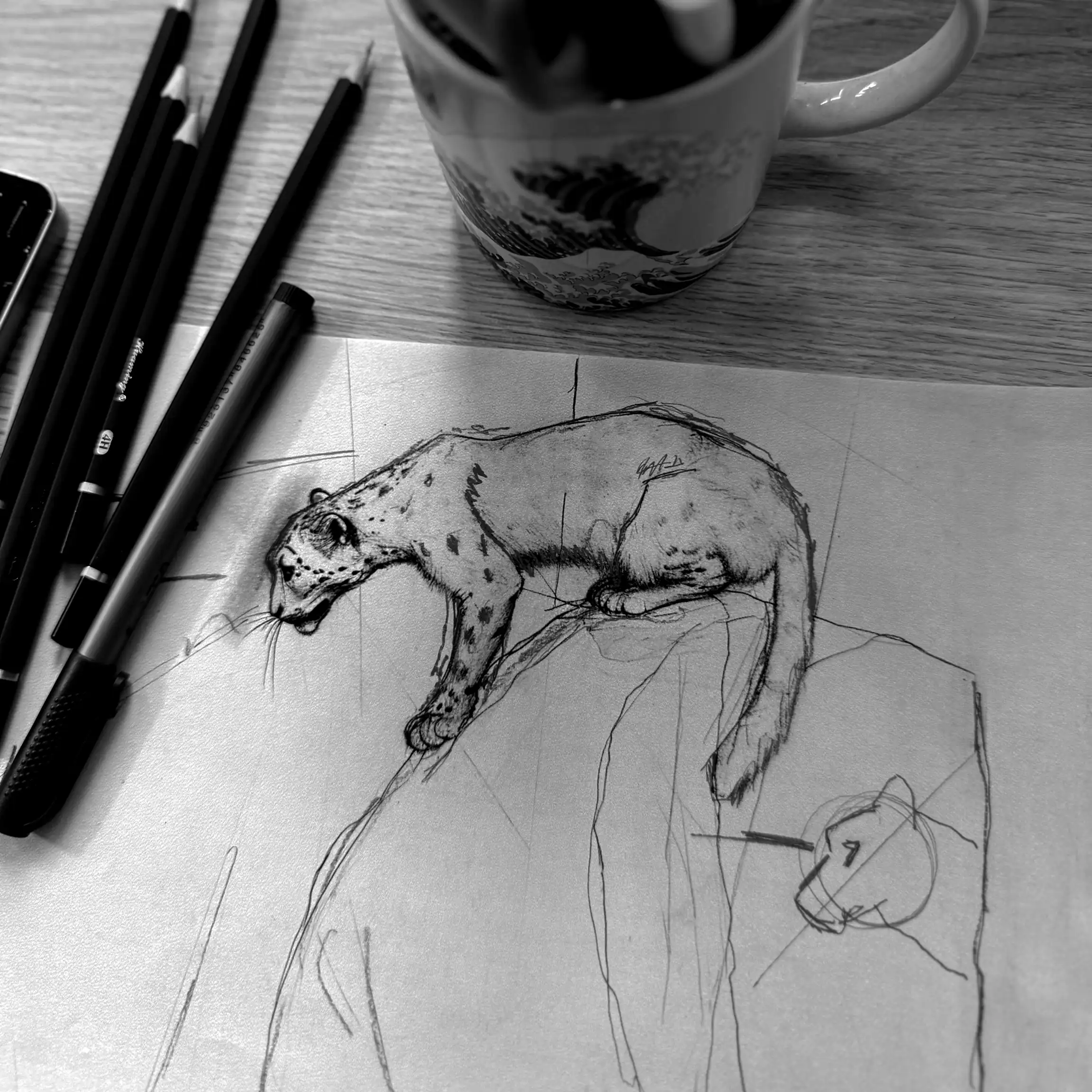
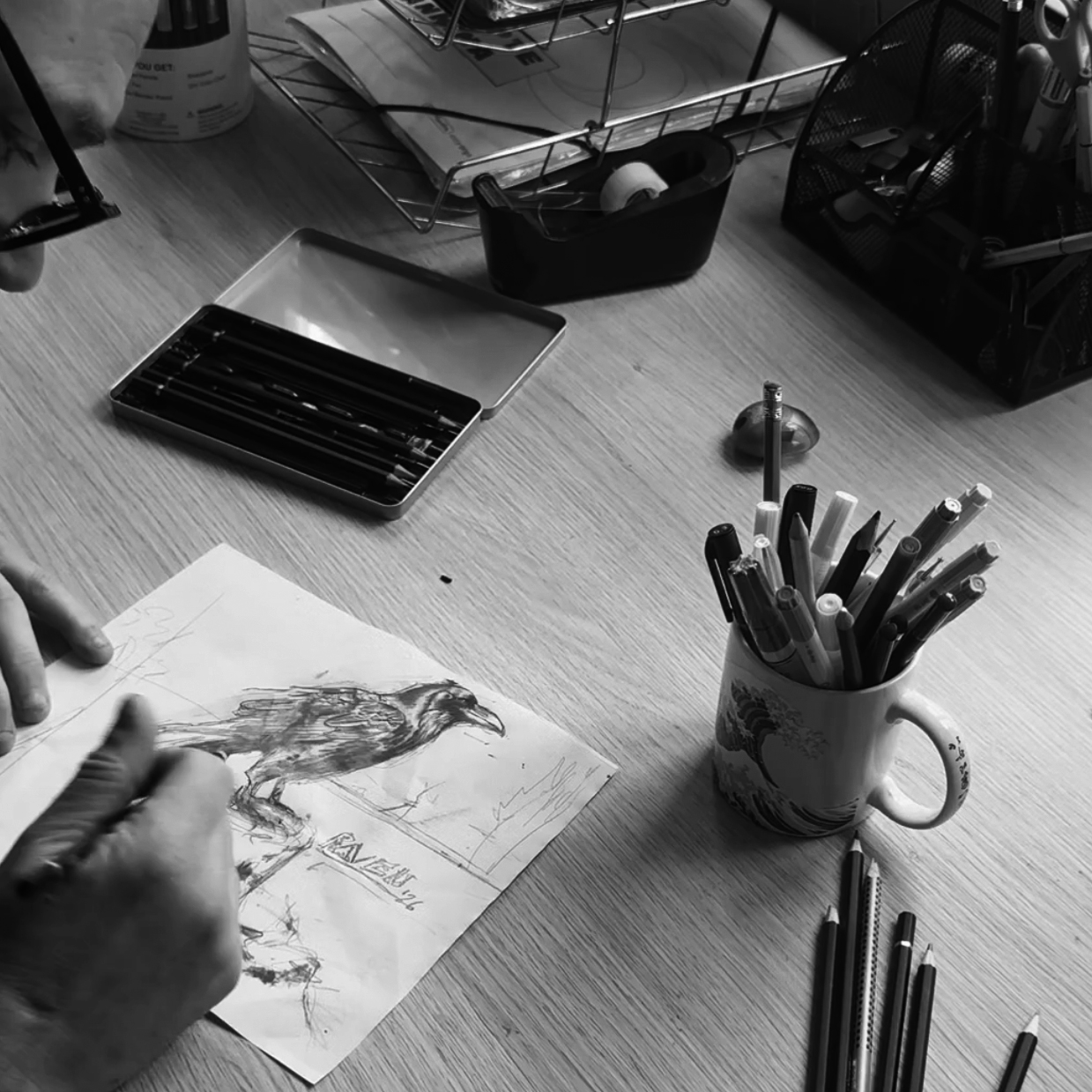
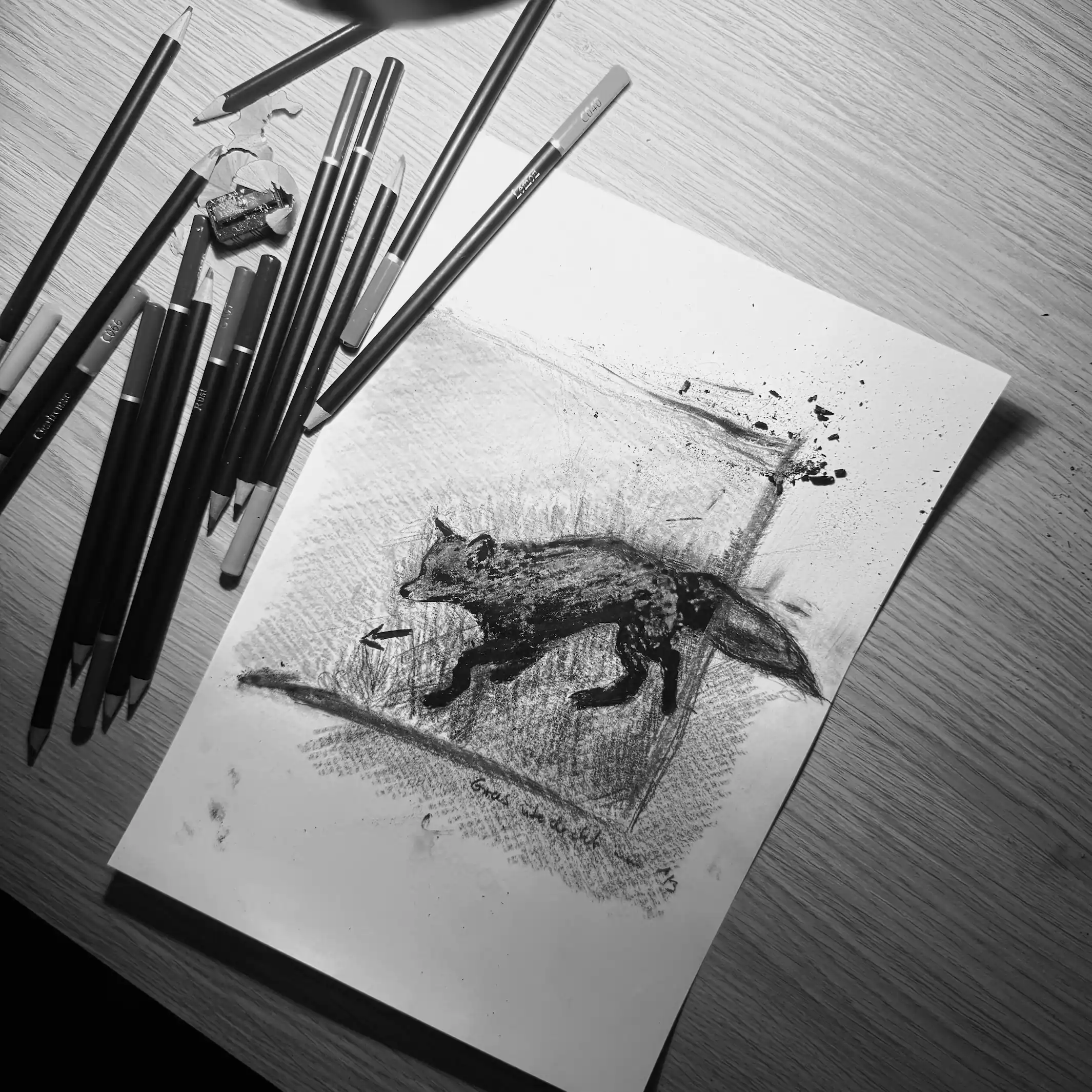
The works exist first only briefly in physical form: classically made, in colored pencil, acrylic, or oil. They are then destroyed — and continue to exist as digital images, whose pixels now appear fragmented, recalling what once was.
What remains is the real: tactile, vulnerable, finite.
A deliberate analogy to the fundamental condition to which all living things are subject.
The title Imperfaction — a neologism formed from imperfection and action — describes the irreversible step toward incompleteness, and its acceptance as a creative principle.
It is not the perfect that is meant to endure, but the tangible, the fleeting, the vulnerable.
Thoughts
Works
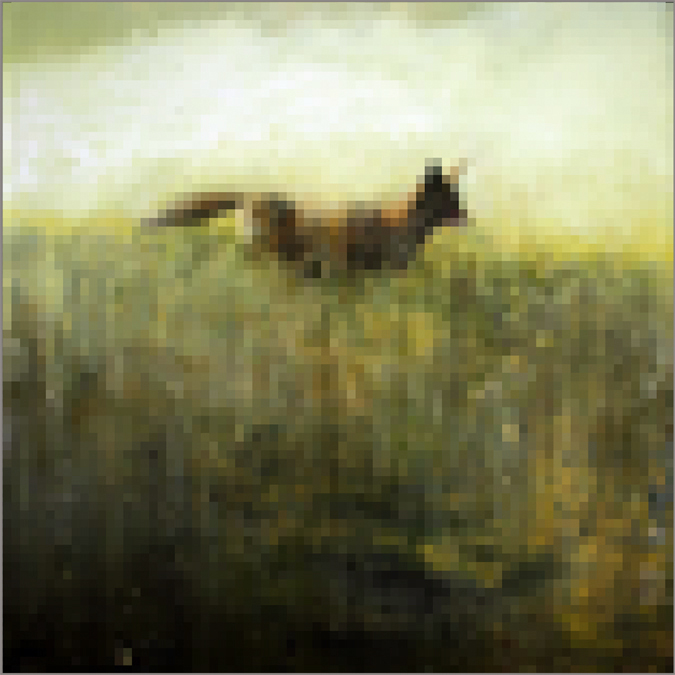
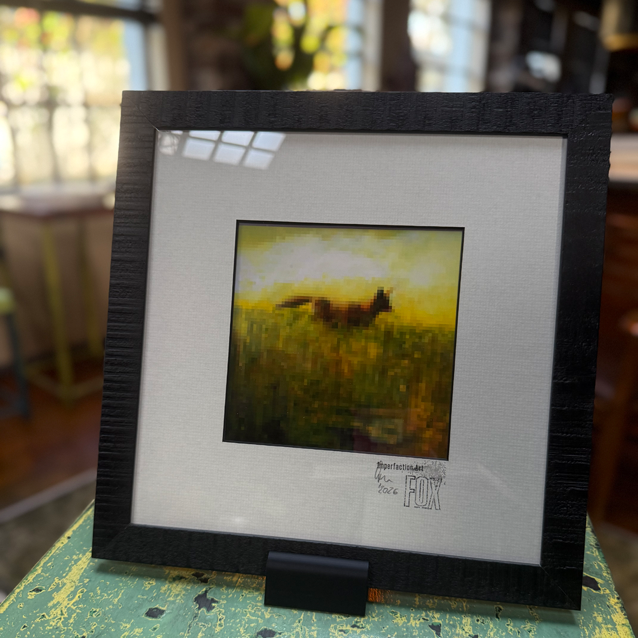
The red fox is a master of adaptation. Its slender body, highly developed hearing, and acute sense of smell make it a precise hunter of small imbalances. As an opportunistic omnivore, it regulates rodent populations, scavenges carrion, and fills gaps within the ecological framework. In scientific contexts, it is regarded as a key indicator of functioning cultural landscapes: where foxes live, transitions remain intact — between forest and field, wilderness and civilization.
Yet it is more than a data point. The fox moves quietly through twilight, as if aware of its role between visibility and disappearance. It is not a dominant animal, but a boundary-crosser — alert, cautious, present without imposing itself.
Were the fox to disappear, more than a regulator would be lost. A principle would vanish: that of silent balance. Rodent populations would surge, disease dynamics would shift, and landscapes would lose their fine-grained order. Above all, nature would forfeit one of its quiet intelligences — a being that demonstrates that survival does not require volume, but attentiveness.
Imperfaction does not present the fox as an endangered species, but as a fragile presence. Not because it stands on the brink of extinction — but because even what appears stable is only ever on loan.
Fine Art Print (backlit UV print)
Image size: 20 × 20 cm
Frame: wooden frame
with glass, 30 × 30 cm
Edition:
limited to 25 copies, hand-signed

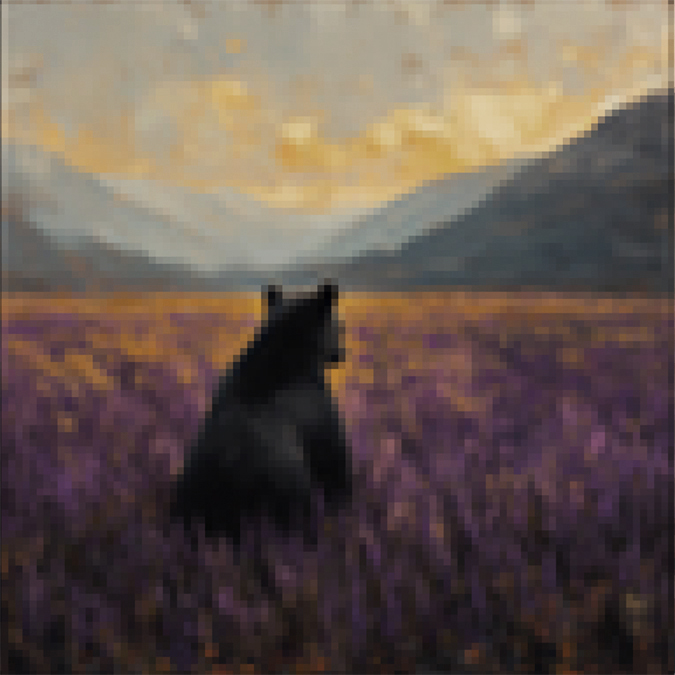
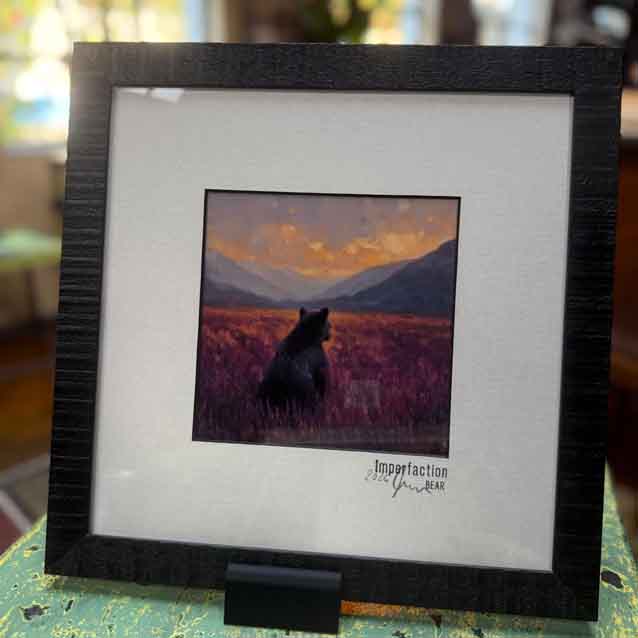
The brown bear is an ecological generalist with precise impact. As an omnivore, it connects plant- and animal-based food chains, disperses seeds over great distances, and creates new growth spaces by digging and turning the soil. In many ecosystems it is considered a keystone species, as its mere presence generates structure: prey species alter their behavior, vegetation recovers in mosaic patterns, and ecological dynamics remain flexible.
Remarkable, however, is not only what the brown bear does — but also what it refrains from doing. Behavioral observations show that brown bears exhibit extended phases of pronounced stillness: sitting, standing, or lying seemingly inactive while observing their surroundings for long periods of time. No hunting, no searching. Only perception. These moments are not idleness, but orientation — a careful reading of wind, sounds, scents, and movement. The bear absorbs the landscape before becoming part of it.
Were the brown bear to disappear, nature would lose more than a regulator. A form of presence would vanish — one that does not intervene, but understands. Ecosystems would grow poorer in transitions, more hurried in their processes, and less attuned to subtle signals.
Imperfaction does not depict the brown bear as a threat or a figure of power, but as a fragile presence. As a being that sometimes simply sits — and in doing so reminds us that observation itself is a form of belonging.
Fine Art Print (backlit UV print)
Image size: 20 × 20 cm
Frame: wooden frame
with glass, 30 × 30 cm
Edition:
limited to 25 copies, hand-signed

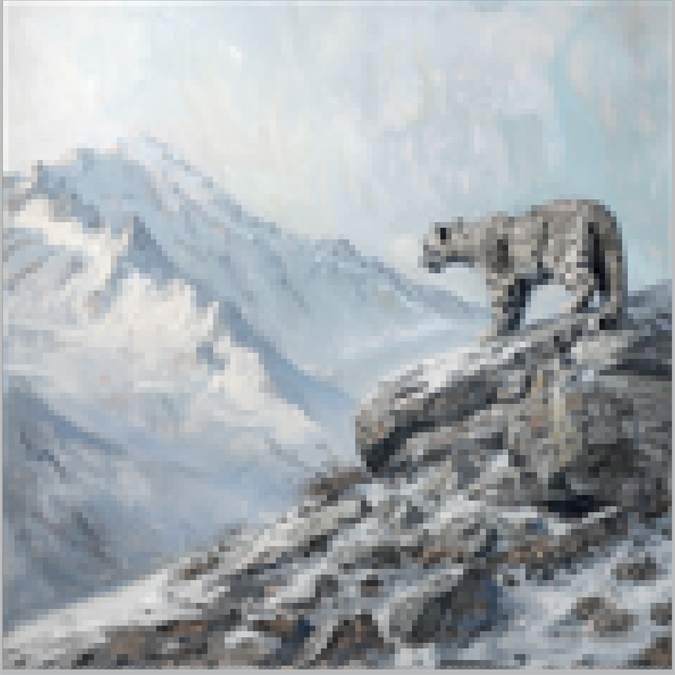
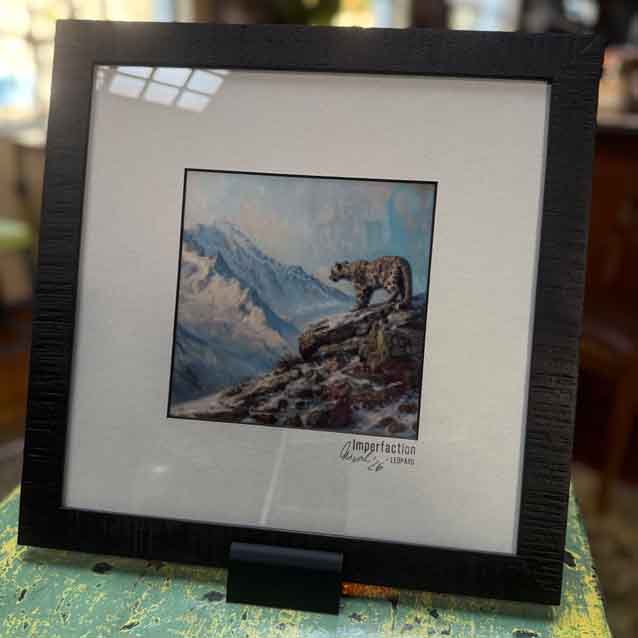
The snow leopard is a highly specialized inhabitant of extreme high-altitude environments. Its dense fur, long balancing tail, and unusually large nasal cavities are adaptations to thin air, cold temperatures, and steep terrain. As a reclusive apex predator, it regulates populations of wild sheep and goats, maintaining the balance of fragile alpine ecosystems. In biological science, it is regarded as an umbrella species: where the snow leopard survives, many other species endure alongside it.
Yet its true distinction lies in its invisibility. The snow leopard is rarely seen — even where it lives. It merges with rock, snow, and shadow, as if it were less an animal than a condition of the landscape. Presence, in its case, is not expressed through dominance, but through the absence of traces.
Were the snow leopard to disappear, high-mountain ecosystems would lose their silent timekeeper. Prey species would overgraze, vegetation would retreat, slopes would become unstable. Above all, a form of order would vanish — one that functions without control, a balance sustained solely through restraint.
Imperfaction does not present the snow leopard as an icon of endangerment, but as a fragile presence. Not because it is rare — but because the invisible disappears first, long before its absence is noticed.
Fine Art Print (backlit UV print)
Image size: 20 × 20 cm
Frame: wooden frame
with glass, 30 × 30 cm
Edition:
limited to 25 copies, hand-signed

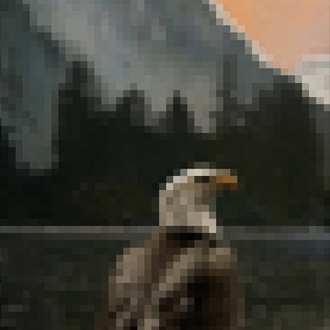
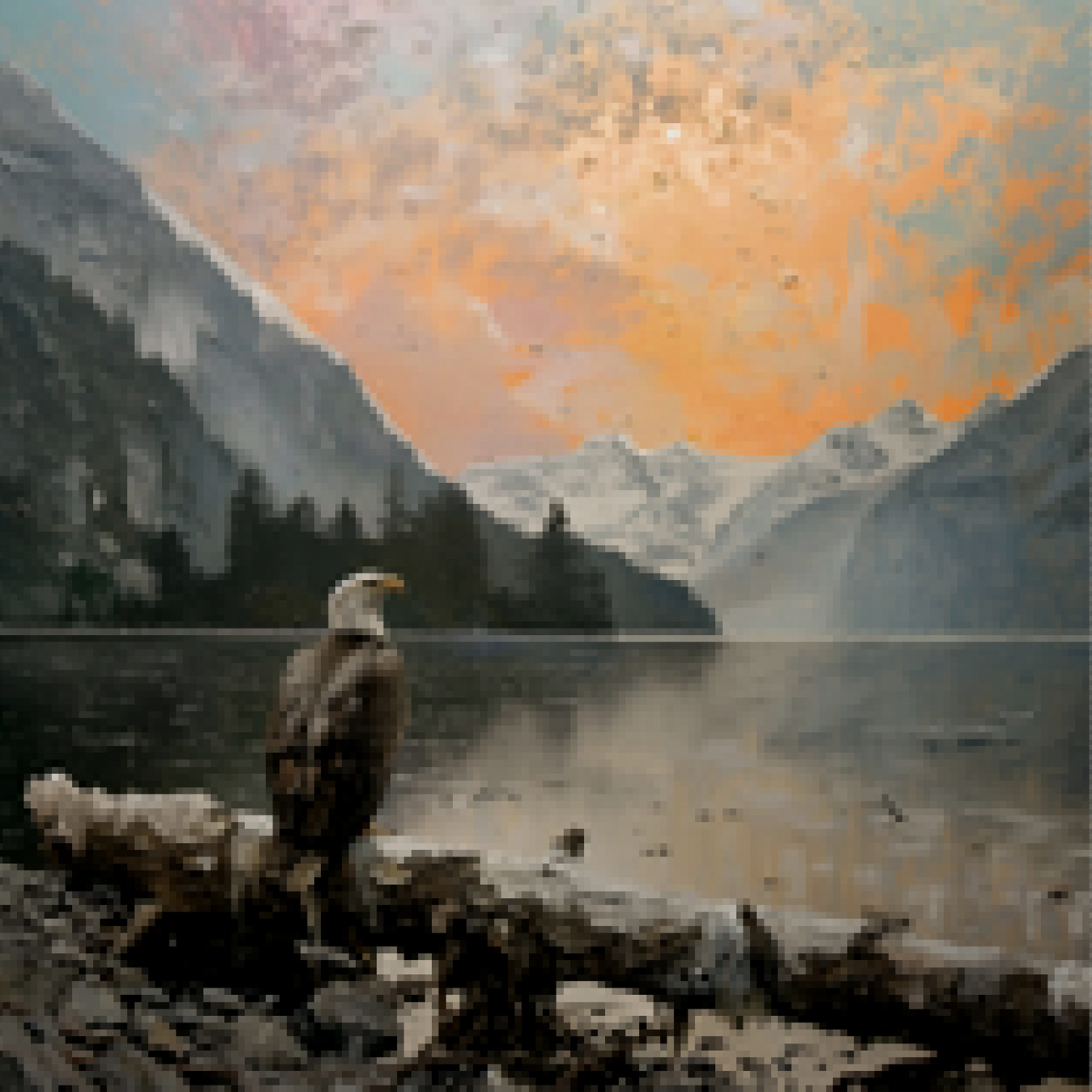
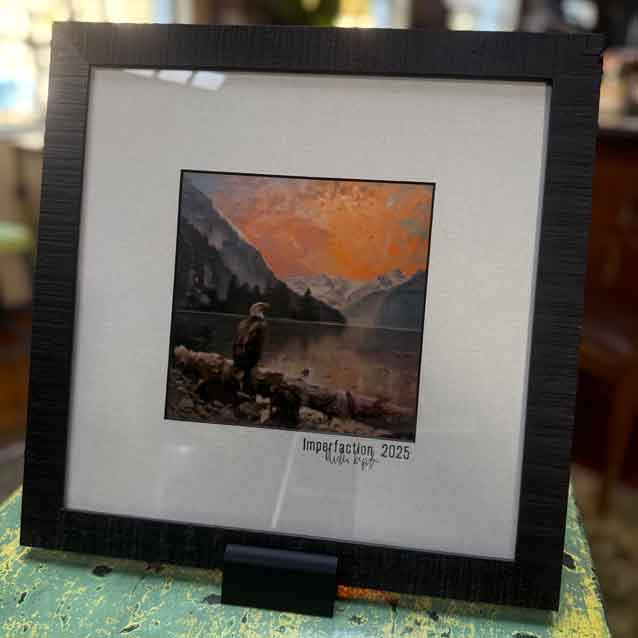
The bald eagle is a highly specialized predator of aquatic systems. Its immense wingspan, powerful talons, and exceptional visual acuity enable it to detect prey with precision from great distances. As an apex predator, it regulates fish populations, scavenges carrion, and contributes to the stability of coastal and riverine ecosystems. In environmental research, it is regarded as a bioindicator: its presence points to clean waters, functioning food chains, and long-term ecological continuity.
Yet its impact extends beyond data and measurement. The eagle does not circle restlessly — it waits. Its movement is economical, its presence distant. It does not command space through aggression, but through overview. In the eagle, altitude becomes a posture.
Were the bald eagle to disappear, the system would lose more than a predator. Aquatic balances would shift, trophic levels would decouple, ecological feedback loops would fall silent. Above all, a measure would be lost: the reminder that scale entails responsibility, and that power holds meaning only where it remains restrained.
Imperfaction does not present the bald eagle as a national symbol, but as a fragile presence. Not because it stands on the brink of disappearance — but because even the sublime exists only as long as its conditions endure.
Fine Art Print (backlit UV print)
Image size: 20 × 20 cm
Frame: wooden frame
with glass, 30 × 30 cm
Edition:
limited to 25 copies, hand-signed
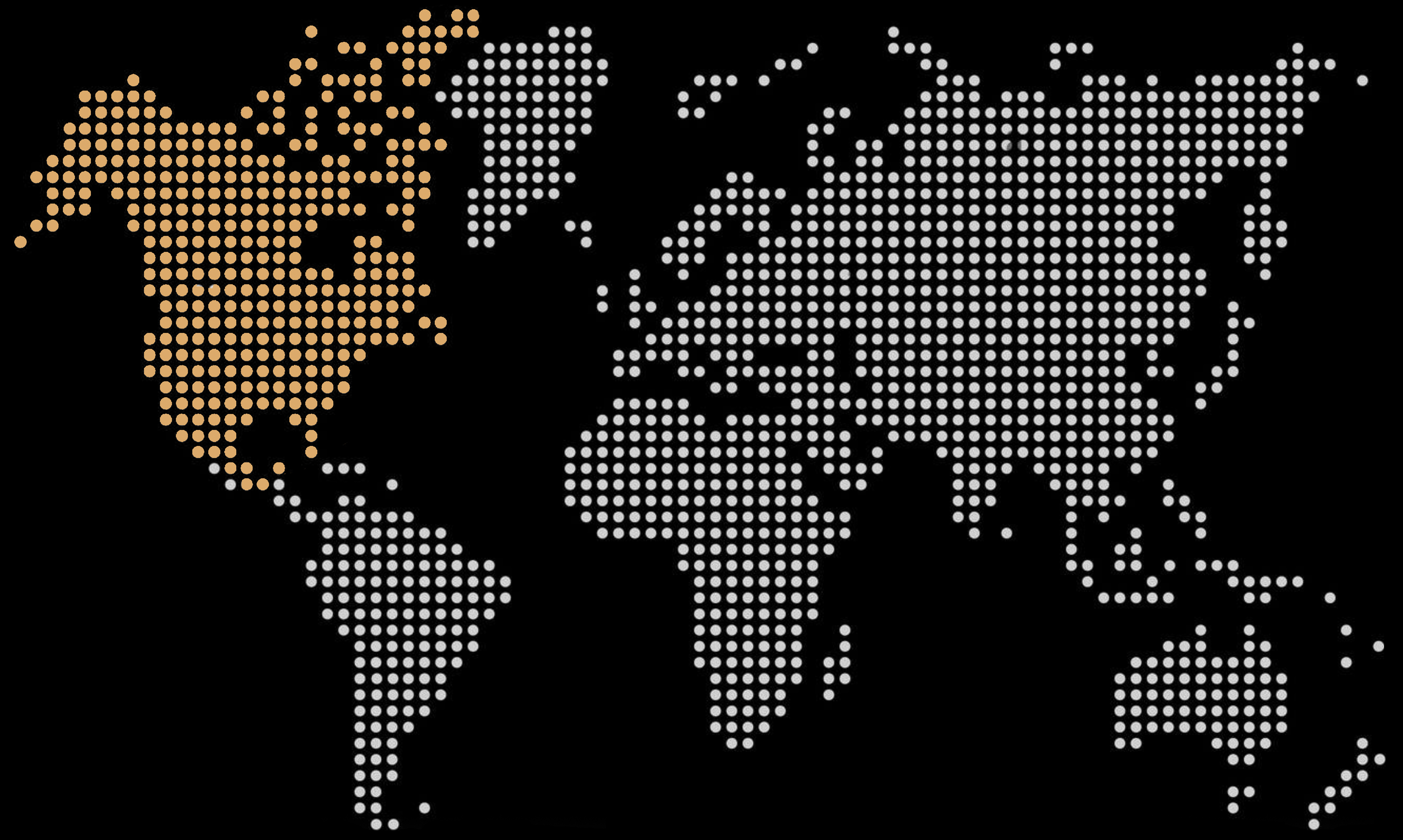
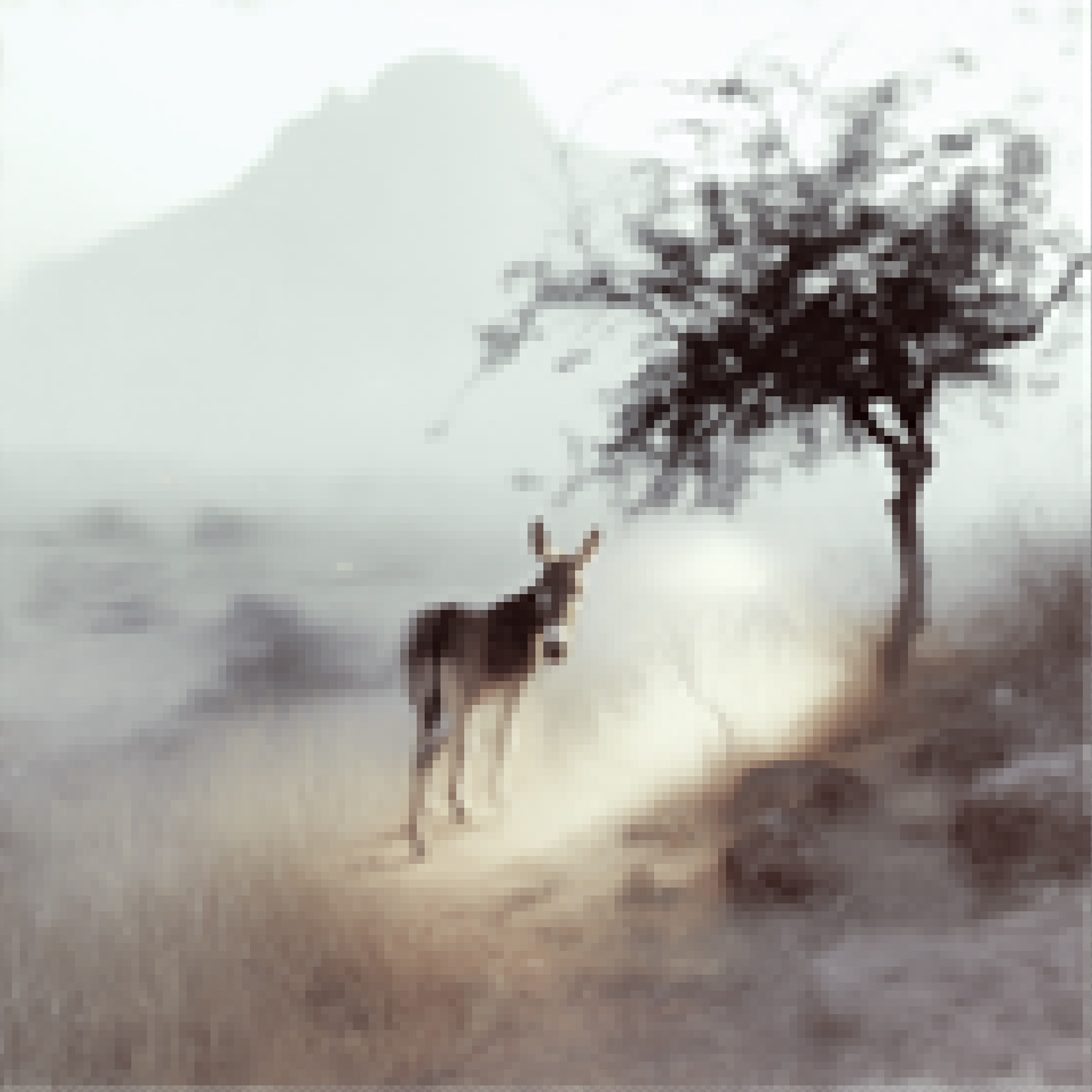
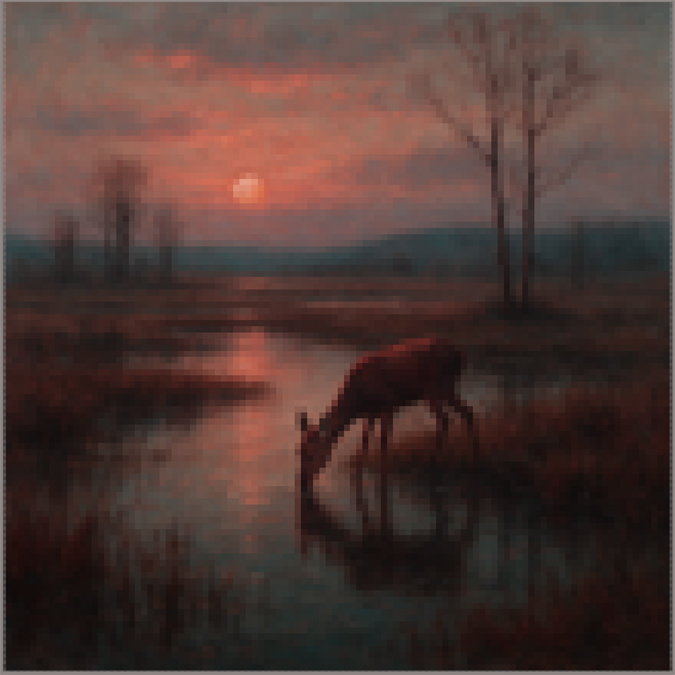
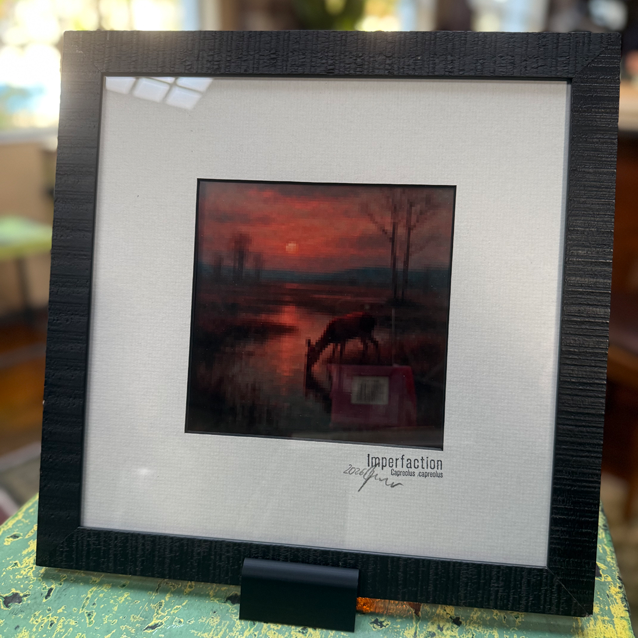
The roe deer is not a predator, but a subtle seismograph of the landscape. As a selective herbivore, it responds sensitively to changes in vegetation structure, disturbance, and fragmentation. Its digestive system is specialized for high-quality, easily digestible plants — buds, shoots, and young leaves. In ecology, the roe deer is regarded as an indicator species: where it withdraws, something fundamental is usually no longer in balance.
Its presence is quiet. The roe deer does not enter space; it appears. Movement is restrained, gestures minimal, flight always anticipated. It lives in a permanent state of heightened attentiveness — not out of fear, but out of fine calibration. Every change is registered, every shift of wind interpreted.
Were the roe deer to disappear, the landscape would lose a measure of its own delicacy. Plant communities would shift coarsely, transitions would erode, feedback mechanisms would fall silent. Above all, a form of perception would be lost: the understanding that ecosystems are sustained not only by force, but by sensitivity.
Imperfaction does not present the roe deer as prey, but as a fragile presence. Not because it is weak — but because the subtle disappears first when spaces grow too loud.
Fine Art Print (backlit UV print)
Image size: 20 × 20 cm
Frame: wooden frame
with glass, 30 × 30 cm
Edition:
limited to 25 copies, hand-signed
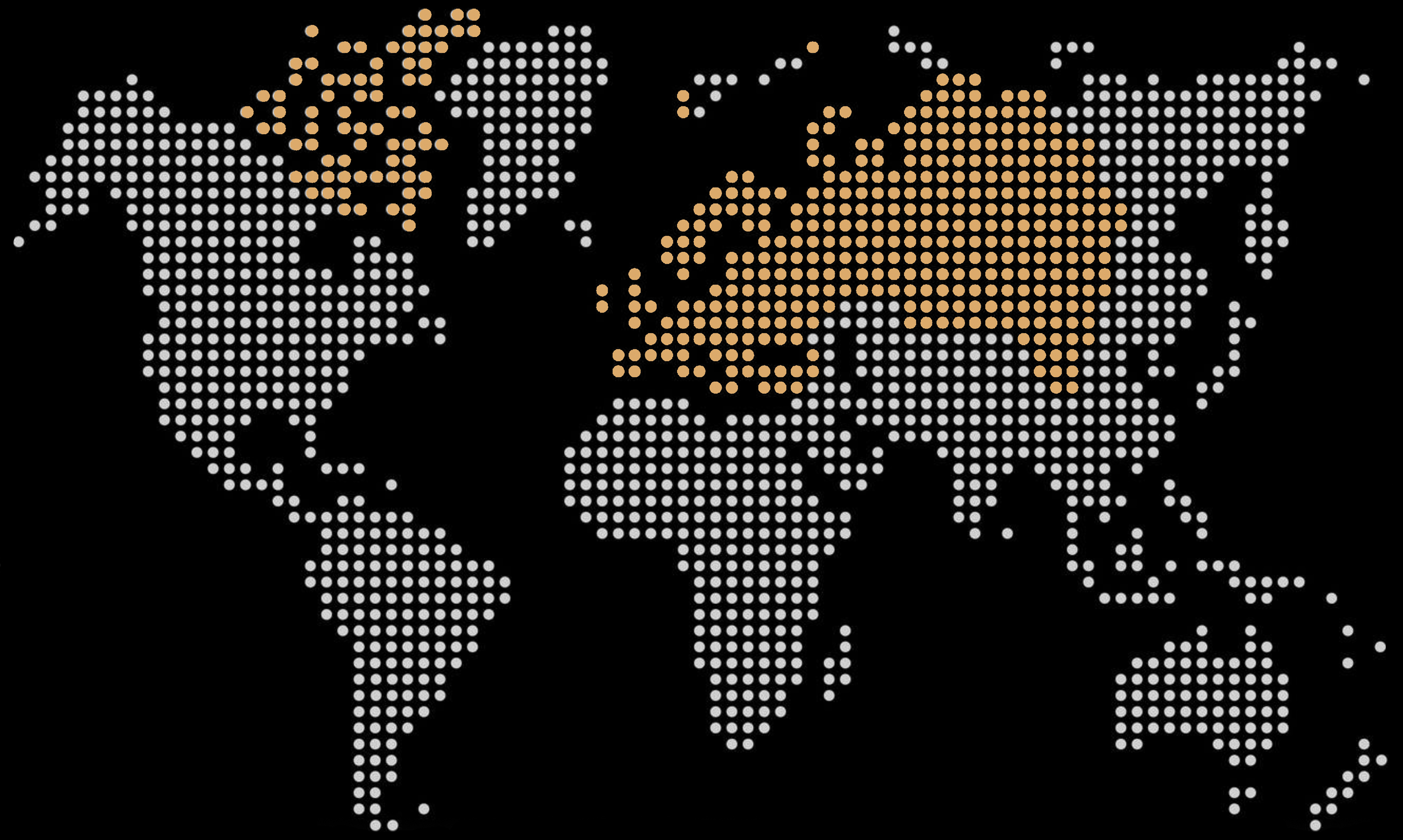
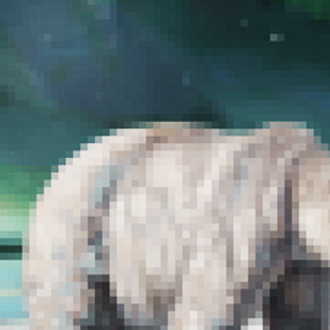
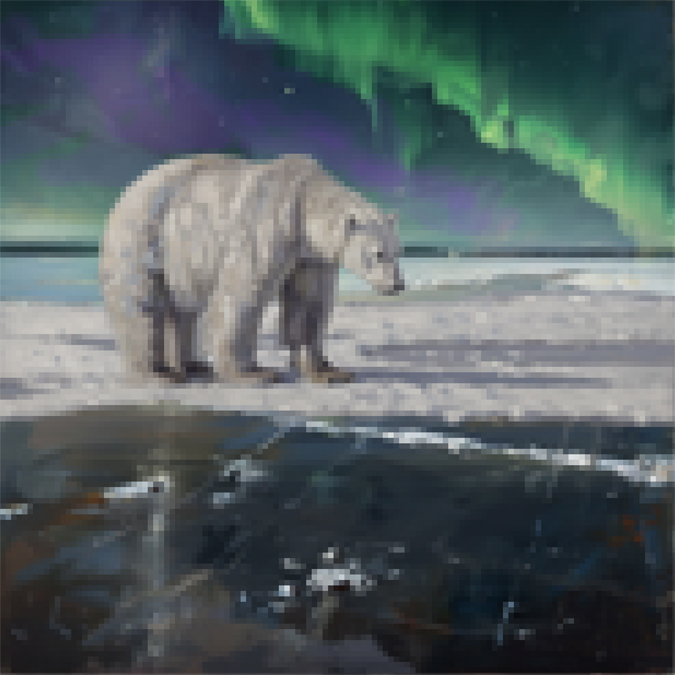
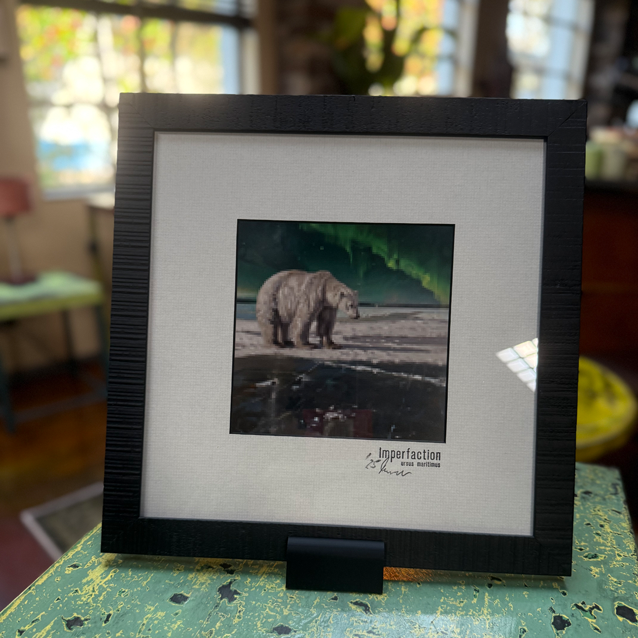
The polar bear is the largest terrestrial predator of our time — a creature of surprising stillness and unmistakable presence. In its white fur, which gathers light more than it reflects it, the animal appears like a moving fragment of the Arctic itself. It moves with a calm known only to species that have lived for millennia in a world of ice, wind, and vast horizons — an economical elegance shaped by an environment where every sound carries far and every hesitation has consequences.
Its strength does not manifest in volume, but in the quiet self-evidence of an animal that has endured extreme conditions for thousands of years. The polar bear is not a symbol of power; it is a product of its circumstances: highly specialized, precisely adapted, fully attuned to the rhythms of cold, darkness, and expanse.
Yet within this specialization lies the tragedy of its existence. As the ice recedes, the polar bear loses its realm, its migration routes, its hunting grounds. With each passing year, its habitat contracts — and with it disappears a fragment of the ancient world the animal embodies.
The loss of this species would be more than an ecological rupture. It would mark the end of a lineage that has shaped the Arctic for millennia — the silencing of one of the planet’s last great narratives; a quiet yet profound incision into the fabric of a region whose character would be less complete without the polar bear.
Fine Art Print (backlit UV print)
Image size: 20 × 20 cm
Frame: wooden frame
with glass, 30 × 30 cm
Edition:
limited to 25 copies, hand-signed

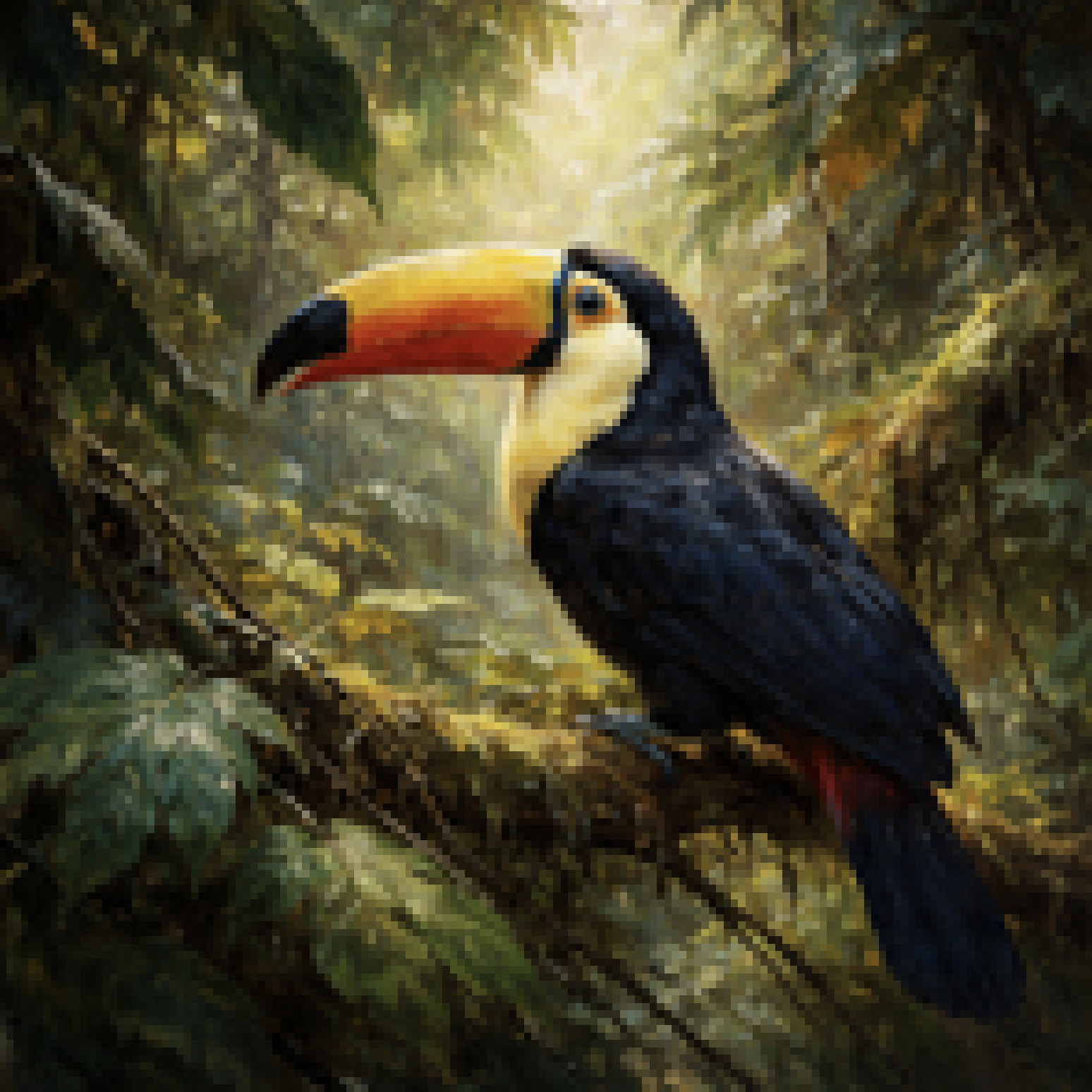
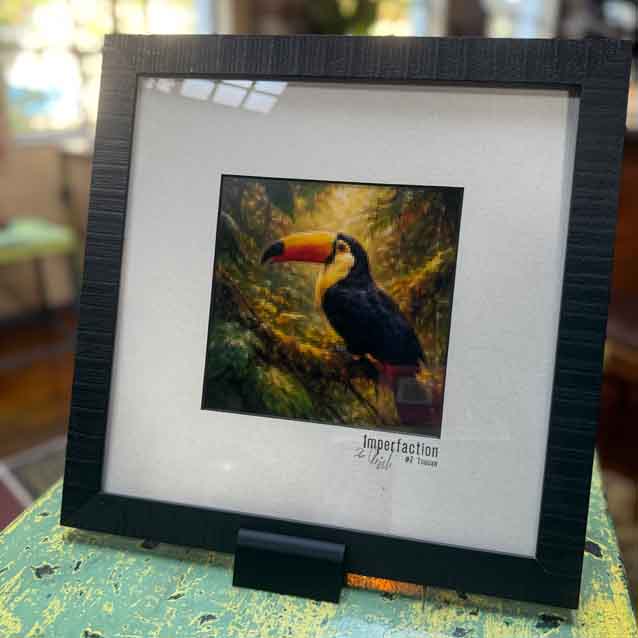
The toucan is a highly specialized inhabitant of the tropical forest canopy. Its striking bill appears oversized, yet it is a precise instrument: lightweight, richly vascularized, suited for fruit intake, extended reach — and thermoregulation. As a predominantly frugivorous bird, the toucan plays a central role in the dispersal of large-seeded plants. Many rainforest tree species depend on it, as their seeds would not reach new spaces without its transport.
Yet the toucan does not appear hurried. It moves deliberately among branches, observing, weighing. Its colors seem loud; its behavior is not. High in the canopy, it inhabits a zone between light and shadow, where fruit ripens and time slows. Its presence is punctuated — visible, then gone again.
Were the toucan to disappear, the rainforest would lose one of its quiet architects. Plant communities would fragment, genetic diversity would diminish, and the forest would begin to withdraw into itself. Above all, a principle would be lost: that dispersal can also be an act of care — and that beauty exists in service of a cycle.
Imperfaction does not present the toucan as an exotic ornament, but as a fragile presence. Not because its colors fade — but because even the luminous disappears when the pathways between things break down.
Fine Art Print (backlit UV print)
Image size: 20 × 20 cm
Frame: wooden frame
with glass, 30 × 30 cm
Edition:
limited to 25 copies, hand-signed

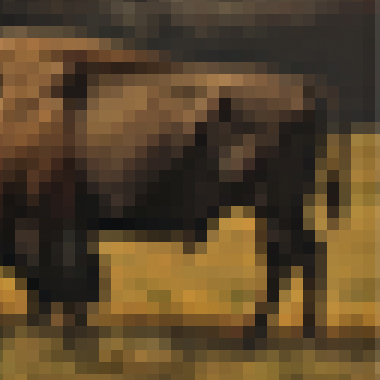
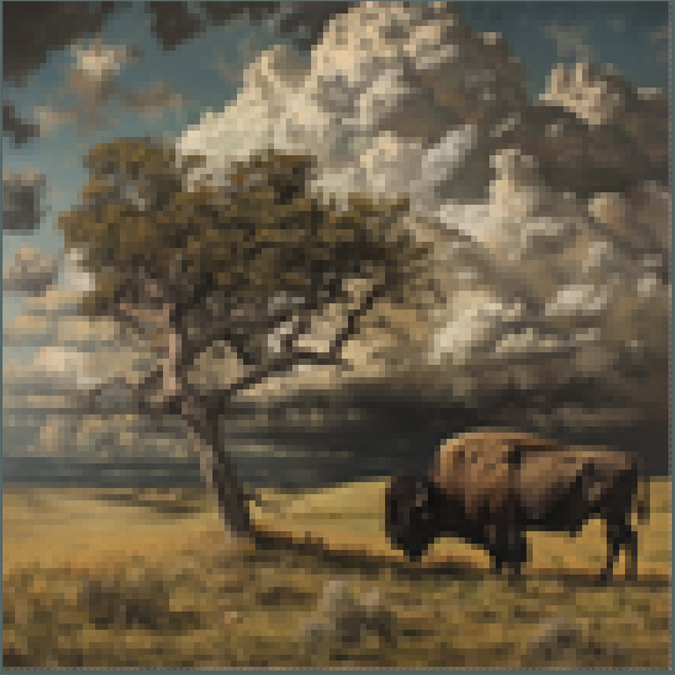
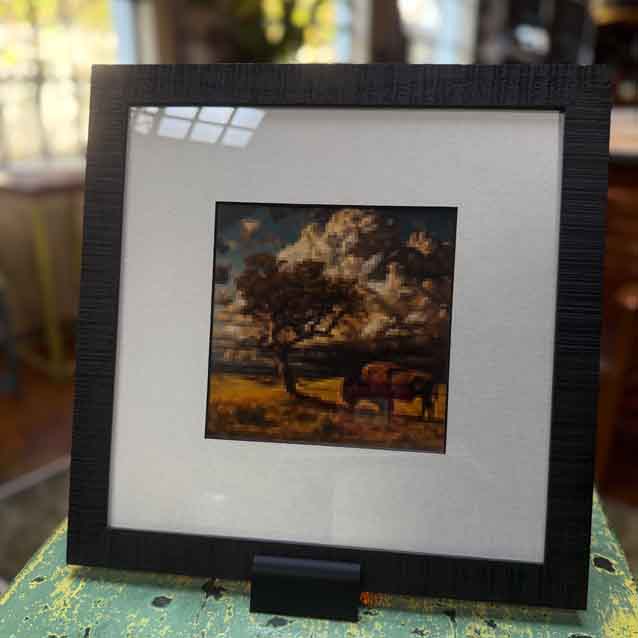
The bison is a large-scale shaper of landscapes. Through its mass, migratory behavior, and selective feeding, it forms grasslands, keeping them open and diverse. As an ecological engineer, it creates a mosaic of microhabitats through trampling, grazing, and nutrient input, benefiting insects, birds, and plants alike. Where bison move, resilient systems emerge — dynamic yet stable.
Yet the bison does not act through haste. It moves slowly, deliberately, seemingly unwavering. Its presence is grounded, its rhythm expansive. It embodies a sense of time in which the landscape is not exploited, but lived through. Here, strength appears not as aggression, but as persistence.
Were the bison to disappear, grasslands would lose their pulse. Areas would become matted, biodiversity would decline, fire regimes would destabilize. Above all, a principle would be lost: that scale entails responsibility toward the space it occupies — and that stability arises from movement.
Imperfaction does not present the bison as a relic of a vanished wilderness, but as a fragile presence. Not because it lacks power — but because even the heaviest disappears when its space grows smaller.
Fine Art Print (backlit UV print)
Image size: 20 × 20 cm
Frame: wooden frame
with glass, 30 × 30 cm
Edition:
limited to 25 copies, hand-signed

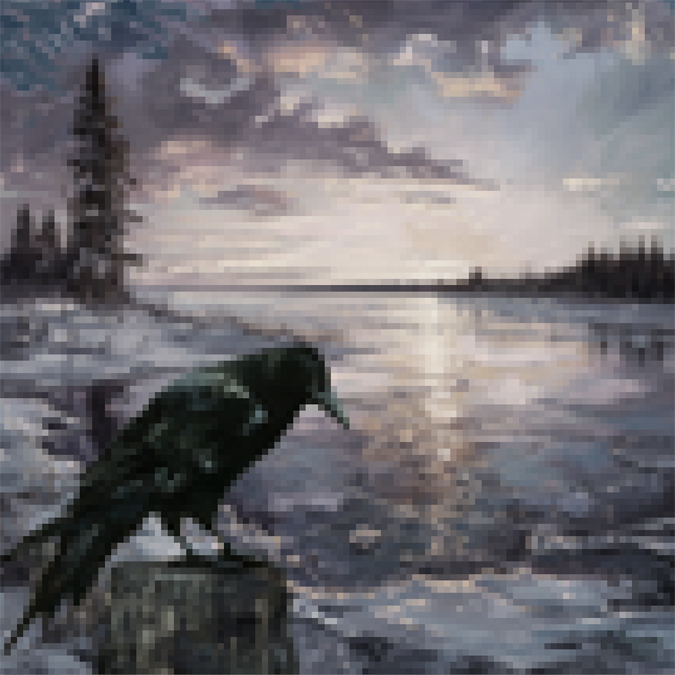
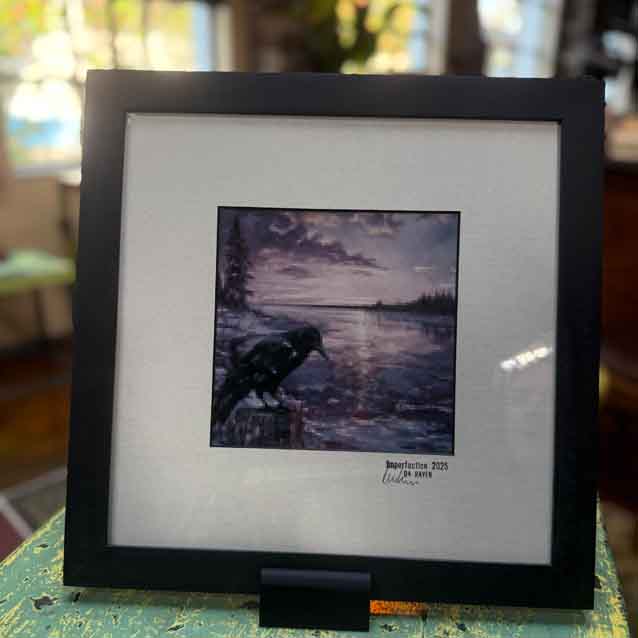
The common raven ranks among the most intelligent birds on Earth. Neurobiological research has demonstrated its capacity for problem solving, tool use, and long-term memory, including the ability to recognize individual faces over many years. As a scavenger and opportunistic feeder, it fulfills a central hygienic function within ecosystems: removing organic remains, limiting disease reservoirs, and linking trophic levels that would otherwise remain disconnected. In ecology, the raven is regarded as a stabilizer of open systems.
Yet its presence extends beyond function. The raven observes. It waits. It does not intervene, but decides. Its black silhouette is not a sign of menace, but of distance — a being that reads the world before acting. It is not part of the landscape; it comments on it.
Were the raven to disappear, nature would lose a mediator between life and death.
Carcasses would remain, cycles would stall, order would grow heavier. Above all, a form of awareness would be lost: the capacity to perceive complex relations without seeking to control them.
Imperfaction does not present the raven as a dark myth, but as a fragile intelligence. Not because it is endangered — but because even knowledge disappears when no one is left to observe.
Fine Art Print (backlit UV print)
Image size: 20 × 20 cm
Frame: wooden frame
with glass, 30 × 30 cm
Edition:
limited to 25 copies, hand-signed

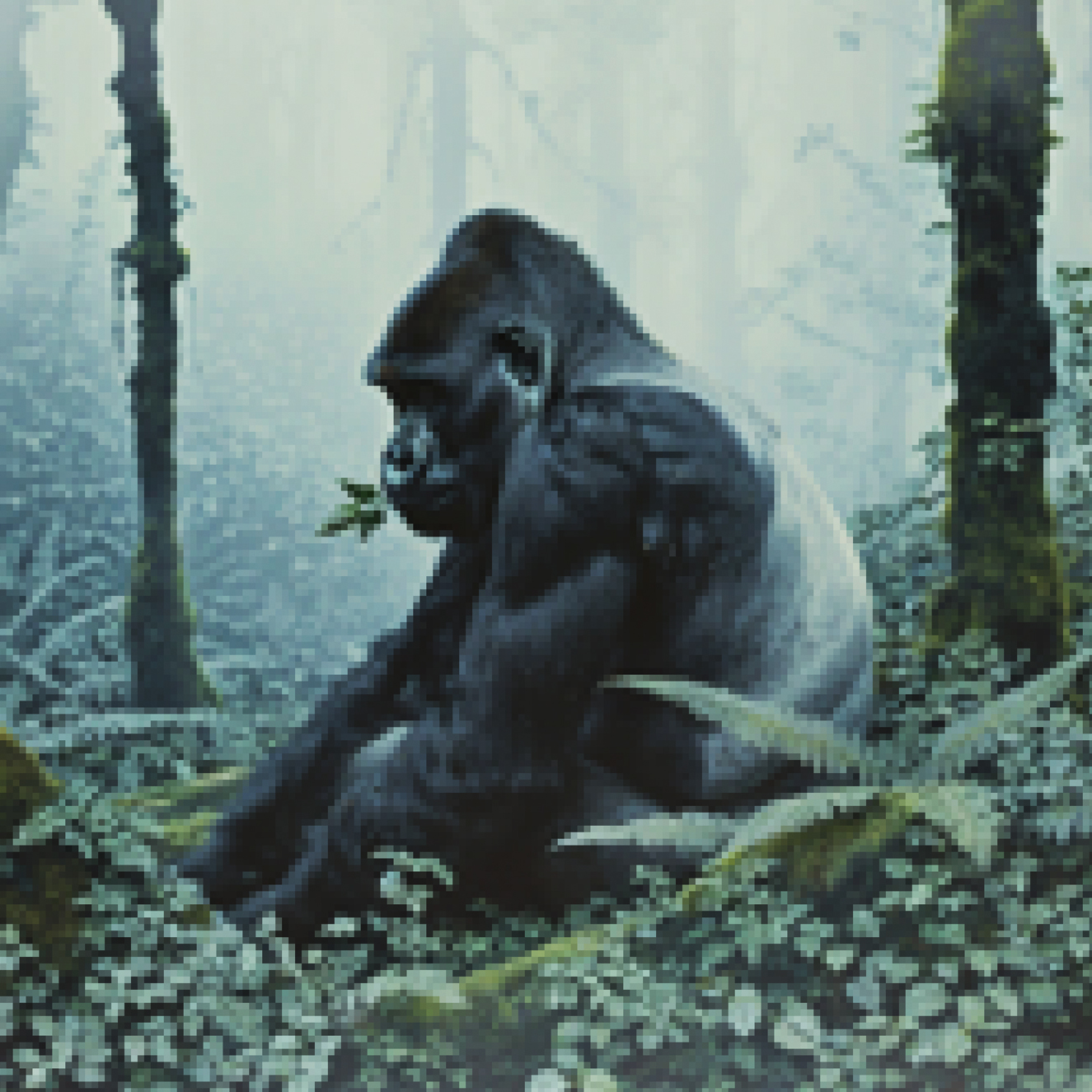
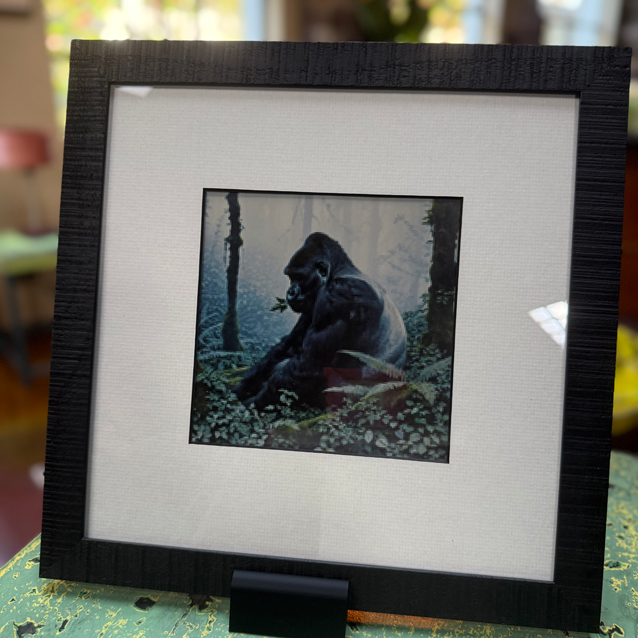
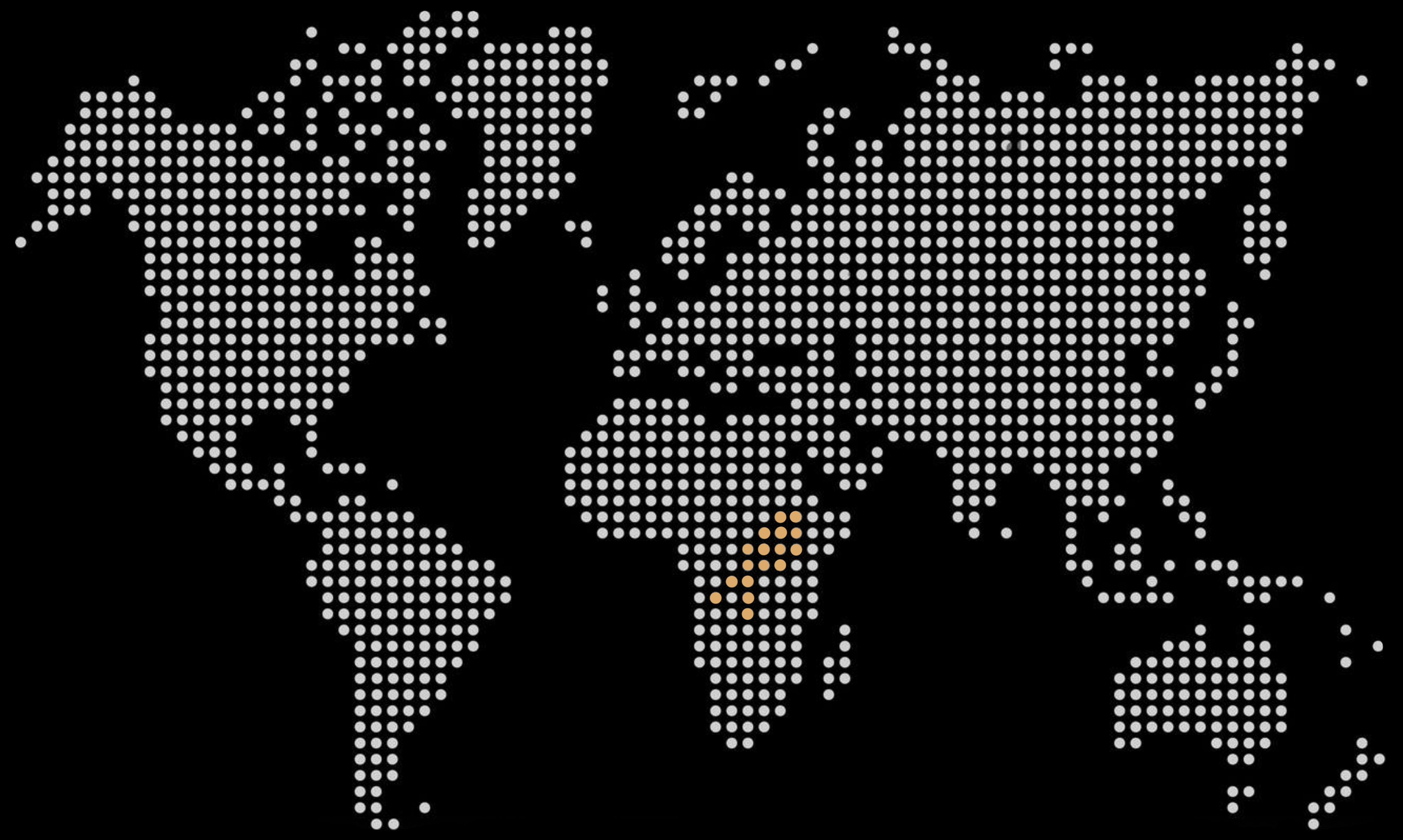
The African gorilla is the largest living primate. Its anatomy is built for strength: massive jaw muscles for fibrous plant diets, long arms for knuckle-walking, a digestive system capable of converting leaves, shoots, and bark into energy.
Despite its stature, it is not a hunter but a vegetarian — a giant sustained by greenery.
Within the ecology of Central African forests, the gorilla plays a crucial role as both seed disperser and landscape shaper: what it consumes germinates elsewhere.
The silverback is not a badge of rank but a stage of life. With age, the hair along his back turns grey — a visible mark of experience.
He leads not through aggression, but through presence. His group consists of females, juveniles, and adolescents; bonds arise through proximity, touch, and repeated rituals. Conflicts are usually resolved through display rather than combat. In primate research, the gorilla is considered socially stable, cooperative, and remarkably gentle.
His gaze is unsettling. Within it lies kinship. More than 98 percent genetic similarity with humans is not a poetic metaphor but a biological fact.
And yet the difference is profound: the gorilla does not destroy what sustains him. He takes what he needs — and remains.
If the gorilla were to disappear, the rainforest would lose more than a herbivore. Seeds would find different paths, clearings would close in differently, ecological structures would shift. But humanity would lose something as well: a quiet reminder that power does not mean noise. Imperfaction does not present the silverback as a monument of strength, nor as a projection of human power. But as a fragile presence. Not because he resembles us — but because it says something about us when even that which stands closest to us no longer has a safe place in the world.
Fine Art Print (backlit UV print)
Image size: 20 × 20 cm
Frame: wooden frame
with glass, 30 × 30 cm
Edition:
limited to 25 copies, hand-signed
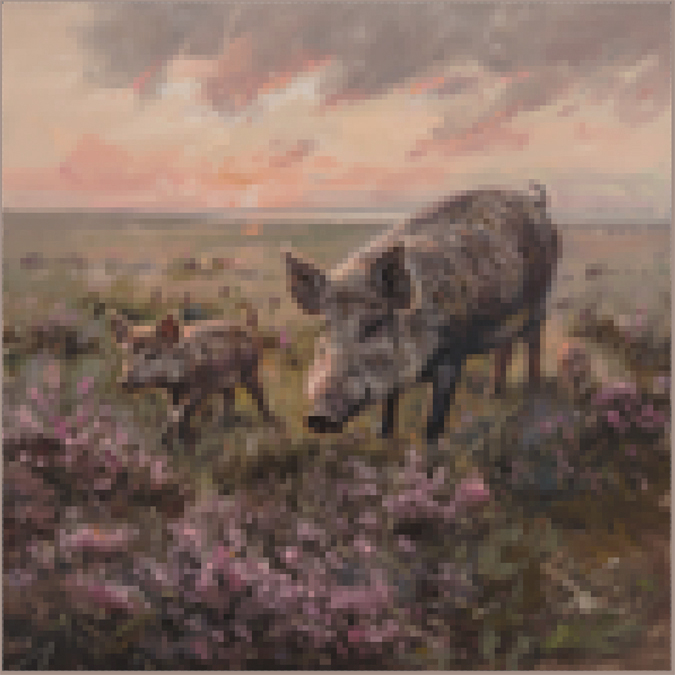
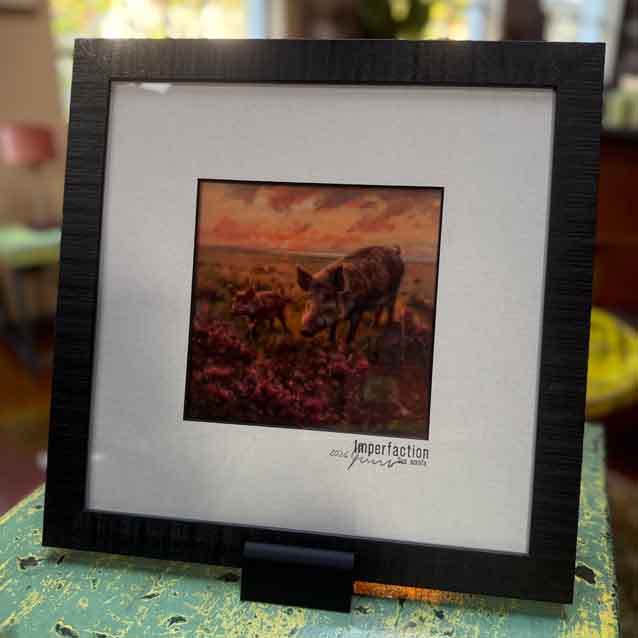
The wild boar is an ecological transformer of remarkable efficiency. With its powerful snout, it loosens soil, turns leaf layers, exposes seeds, and creates germination spaces for plants. This activity — known as rooting — promotes biodiversity, accelerates nutrient cycles, and increases the structural complexity of forests. In ecology, the wild boar is considered an ecosystem engineer: disruptive in detail, ordering in the whole.
Its social behavior is complex. Sounders consist of stable family groups, communication occurs through vocalizations, scents, and finely tuned gestures. The animal is intelligent, capable of learning, and highly adaptable — traits that have sustained it through millennia of close proximity to humans. Few other wild animals have been as long and as directly entwined with human existence.
For centuries, the wild boar was more than part of the landscape. It was food, survival, winter provision. It stood at the threshold between wilderness and culture, between hunting and agriculture, between gratitude and necessity. For many generations, it was not a symbol, but a reality: meat meant life.
Were the wild boar to disappear, forests would lose their aeration, their disturbance, their dark rhythm. Yet humans, too, would lose something: the memory that prosperity was once a relationship — not extraction.
Imperfaction does not present the wild boar as a problem or a resource, but as a fragile presence. And between layers of soil and history lies a quiet thanks: for having carried us for so long, without ever seeking a place in our narrative.
Fine Art Print (backlit UV print)
Image size: 20 × 20 cm
Frame: wooden frame
with glass, 30 × 30 cm
Edition:
limited to 25 copies, hand-signed
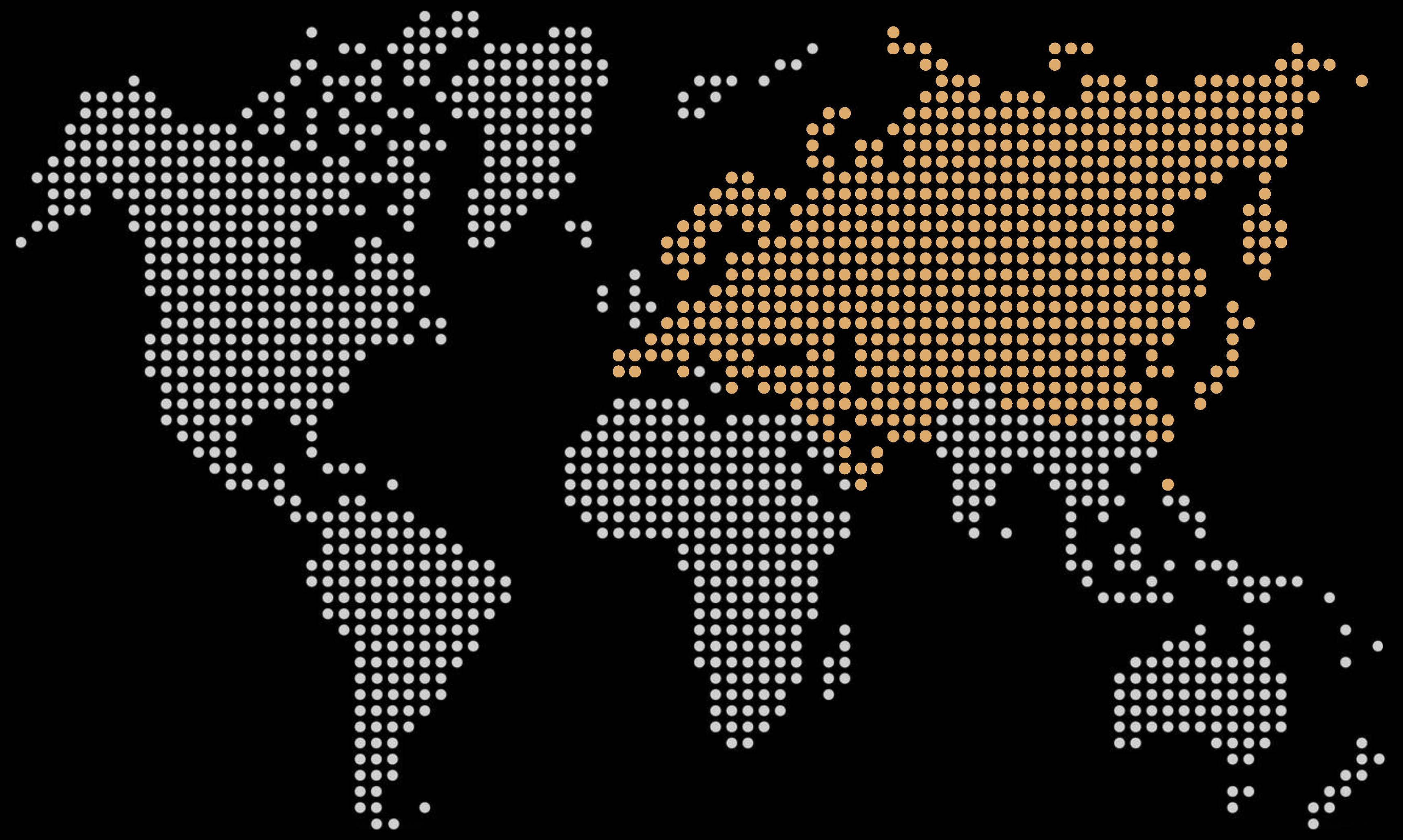
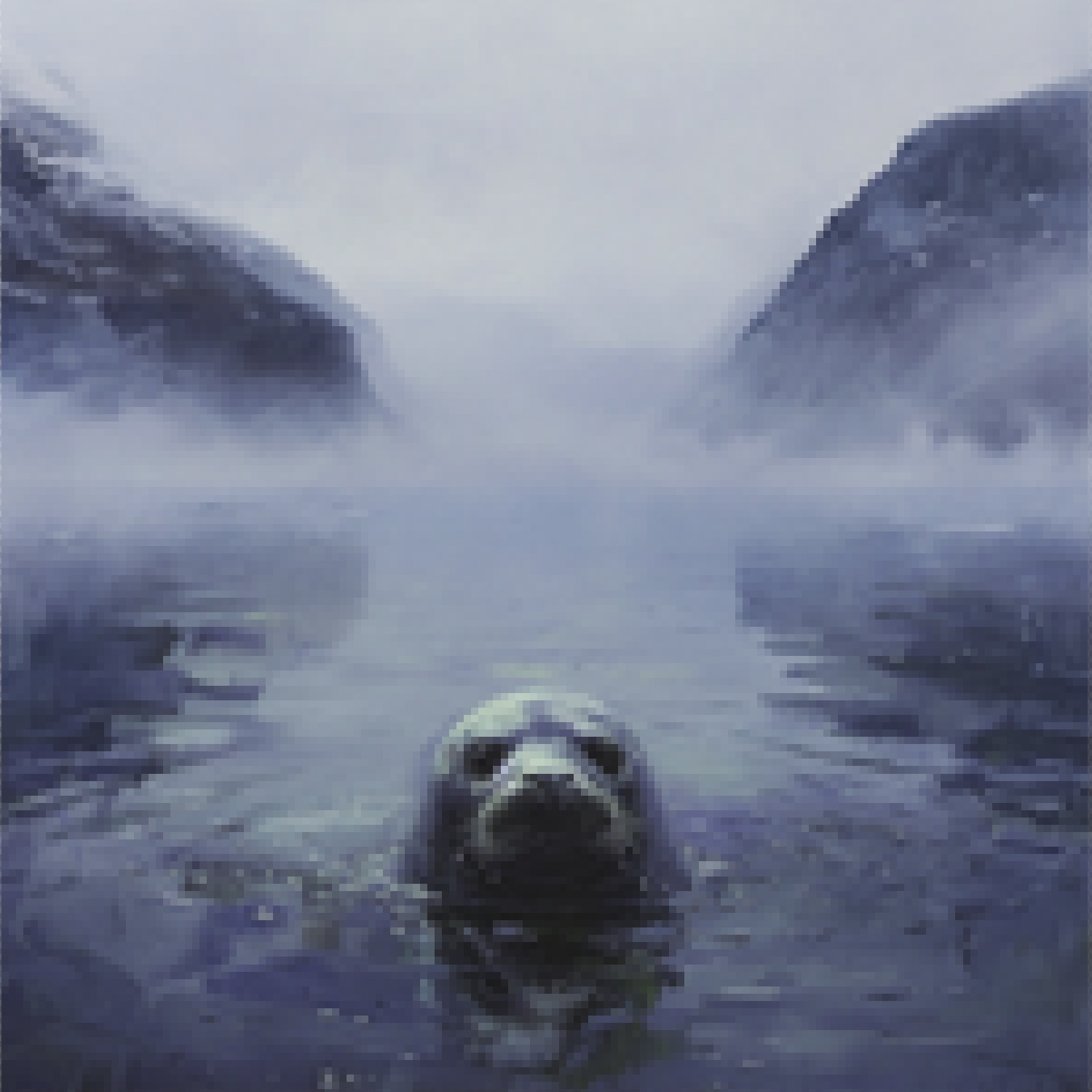
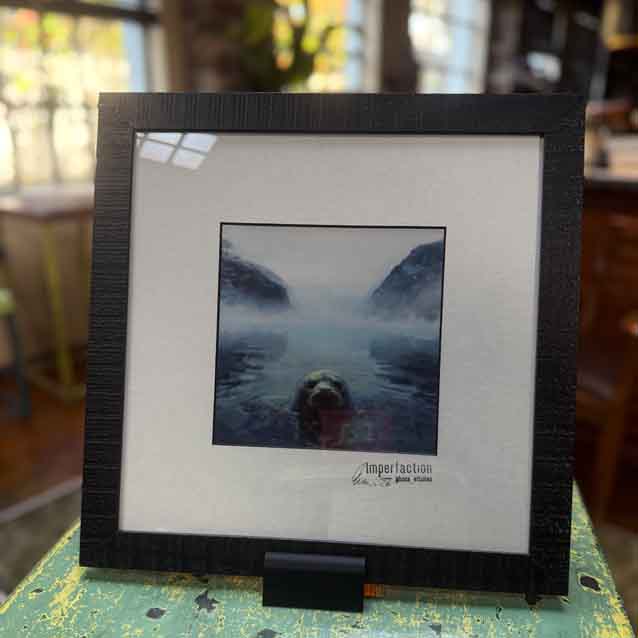
The harbor seal is a highly adapted inhabitant of the transition zones between sea and land. Its streamlined body, sensitive vibrissae, and strong diving capacity enable precise hunting of fish and marine invertebrates. As a mid-level predator, it is firmly embedded in coastal food webs and responds sensitively to changes in fish stocks, water quality, and noise. In marine biology, the harbor seal is regarded as an indicator species for healthy shallow-water and tidal-flat ecosystems.
Yet its significance does not end with function. On land, the harbor seal appears almost ungainly — lying, resting, seemingly disengaged. This stillness is not withdrawal, but regeneration. It spends extended periods simply being there — absorbing warmth, slowing its breath, sharing the rhythm of tide and ebb. Its vigilance is subtle, never dramatic.
Were the harbor seal to disappear, coastal seas would lose a quiet signal of their condition. Food webs would drift out of balance, ecological disturbances would remain unnoticed for longer. Above all, a form of presence would vanish — one that does not dominate, but mediates between water and land, movement and rest.
Imperfaction does not present the harbor seal as a charming coastal animal, but as a fragile presence. Not because it is rare — but because even the familiar disappears when its conditions are taken for granted.
Fine Art Print (backlit UV print)
Image size: 20 × 20 cm
Frame: wooden frame
with glass, 30 × 30 cm
Edition:
limited to 25 copies, hand-signed

Approach
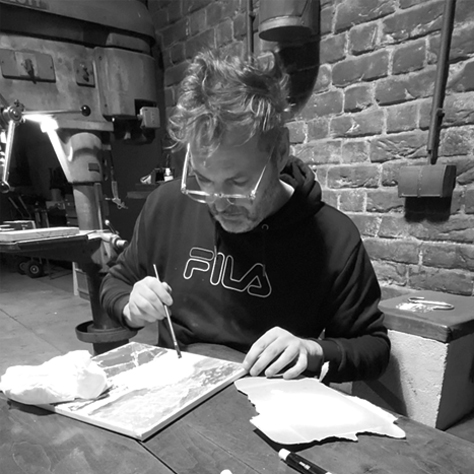
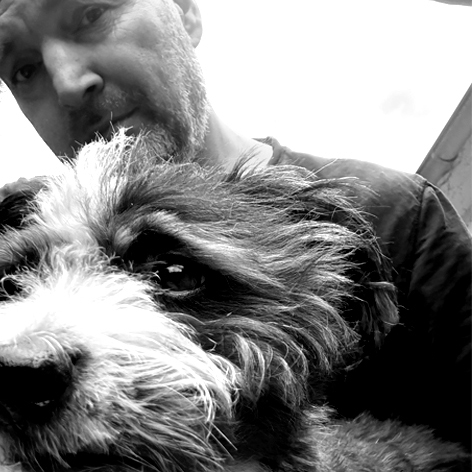
Born in 1972, D. Tappert resists classification within conventional categories. His work is shaped by a persistent search — one in which, as he notes, questions tend to outnumber answers.
An autodidact, craftsman, thinker, and poet, his practice is guided by a pronounced empathy for the imperfect and a deep respect for the singularity of creation. To describe his working method as unorthodox would be reductive.
Tappert works in oil and acrylic, with colored pencil and street chalk — essentially with anything capable of leaving a trace. Boundaries between disciplines remain permeable: sculpture, painting, writing, photography, and analogue as well as digital processes intersect, are constructed, further developed, and abandoned.
Engagement with a subject does not end when it is exhausted, but when an inner understanding emerges. At that moment, the subject has already begun to fade. The limited selection within Imperfaction reflects this transition: not reduction, but completion.
The motifs arise from a lifelong closeness to the animal world. From an early age, attention was directed less toward humans than toward the quiet, autonomous existence of animals — beings that exist without the need for explanation.
That Imperfaction depicts animals rather than machines or objects is not an aesthetic choice, but a consistent one.
Classical landscape painting forms the point of departure for the series; within the digital process, it dissolves into a fragile pixel structure.
Imperfaction is not an ongoing project, but a state — a consciously ephemeral moment between form and dissolution.
About
The twelve works presented in this edition are limited to 24 pieces per motif and are available now. 100% of the proceeds are dedicated entirely to wildlife and species conservation. All costs for materials, production, and shipping are covered by the artist.
Each work is hand-signed by D. Tappert and individually authenticated. No reprints will be made. In keeping with the concept of Imperfaction, both the originals and all preparatory sketches have been deliberately destroyed.
In memory of Annina Tappert 1968 – 2026
In memory of a person who loved animals above all else — and whom we loved beyond measure. You will always be with us.
For inquiries regarding the edition, please contact us.
„Projekt Imperfaction“
PANZERHALLE
Alfred Nobel Straße 63–67
50169 Kerpen
Editions